


Effective warehouse management lies at the heart of a well-oiled supply chain — encompassing inventory control, order fulfillment, storage optimization, and logistics coordination. Timely and accurate execution of these tasks directly impacts customer satisfaction, operational costs, and overall business profitability.
The Importance of Effective Warehouse Management
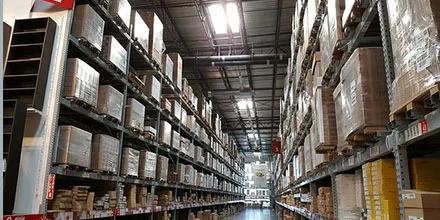
- Optimized Inventory Levels: Balancing supply and demand minimizes the risk of stockouts and lost sales.
- Efficient Space Utilization: Effective layout design and organization reduces storage costs and speeds order processing.
- Streamlined Operations: Synchronizing receiving, storage, picking, packing, and shipping minimizes errors and cycle times.
- Enhanced Visibility and Traceability: Real-time inventory movement tracking supports faster, better decisions.
Challenges Faced in Traditional Warehouse Operations
Manual processes for inventory tracking and data entry are time-consuming and error-prone. Limited real-time visibility into inventory levels and order status makes it hard to make informed decisions, while inefficient layouts and inventory inaccuracies drive up cycle times, labor costs, and the risk of stockouts or incorrect fulfillment.
The Evolution of Warehouse Management Systems (WMS)
WMS software has evolved from first-generation, standalone inventory-tracking systems through second-generation platforms with barcode/RFID tracking and labor management, to cloud-based solutions offering scalability and real-time visibility. Today’s integrated platforms connect WMS with TMS and IMS systems, and the latest generation leverages AI and advanced analytics to forecast demand and predict disruptions before they happen.
The Role of ERP Systems in Modern Warehouse Management
Integrating ERP with WMS delivers end-to-end supply chain visibility, seamless data synchronization that eliminates silos, streamlined and automated workflows for order processing and replenishment, and enhanced reporting that helps track KPIs and drive continuous improvement.
Benefits of Implementing ERP in Warehouse Management
Improved Inventory Visibility and Accuracy
Real-time tracking of inventory from receiving through shipping reduces stockouts, overstock, and count inaccuracies — improving operational efficiency and cost savings.
Enhanced Order Fulfillment
Automated order processing, picking, packing, and shipping reduces errors and delays, and optimized allocation ensures orders are fulfilled promptly and accurately.
Real-time Data Insights for Informed Decision Making
Actionable insights into inventory levels, order statuses, and warehouse performance empower managers to respond promptly to changing market demands.
Integration Across Departments and Systems
Connecting warehouse management with sales, procurement, finance, and manufacturing eliminates data silos and improves overall operational efficiency.
Scalability and Adaptability to Business Growth
ERP systems scale to accommodate expanding operations, new product lines, or new markets, while remaining customizable to specific business processes.
Features of ERP Systems for Warehouse Management
- Inventory Management: Real-time visibility, automated replenishment, and demand forecasting to optimize stock levels.
- Order Processing and Fulfillment: Automated capture, CRM integration for tracking, and pick-and-pack/route optimization.
- Warehouse Layout and Space Optimization: Algorithms that design efficient layouts based on SKU velocity and handling equipment.
- Barcode and RFID Technology Integration: Automated data capture and real-time tracking that reduces manual entry errors.
- Batch and Serial Number Tracking: Essential for regulatory compliance and product traceability in regulated industries.
- Cross-Docking and Transshipment: Minimizes inventory holding costs and reduces order cycle times.
Best Practices for Effective Warehouse Management with ERP
Establish clear Standard Operating Procedures aligned with your ERP’s functionalities and keep them updated as requirements evolve. Leverage automation and robotics for repetitive tasks, and continuously monitor KPIs like inventory turnover, order accuracy, and cycle times to guide improvement. Prioritize security and compliance with role-based access, encryption, and audit trails, and collaborate closely with suppliers and partners through portals and EDI for greater supply chain resilience.
Future Trends in Warehouse Management with ERP
IoT and sensor technology are providing real-time insight into inventory and environmental conditions, while AI and machine learning forecast demand and predict maintenance needs. Cloud-based ERP continues to offer scalability and remote accessibility, sustainability initiatives are being tracked directly within ERP systems, and augmented reality is beginning to give warehouse workers hands-free access to picking instructions and equipment guidance.
The integration of ERP systems into warehouse management represents a pivotal shift toward efficiency, agility, and competitiveness. By harnessing real-time data insights, automation, and collaboration, organizations can optimize their warehouse operations to meet the evolving demands of customers and markets.