


Manufacturing forms the backbone of any thriving economy — the process of transforming raw materials into finished goods through machinery, labor, and technology. A robust manufacturing sector drives economic growth, spurs technological advancement, powers global trade, and underpins national security by ensuring domestic production of essential goods.
The Evolution of Manufacturing Technologies
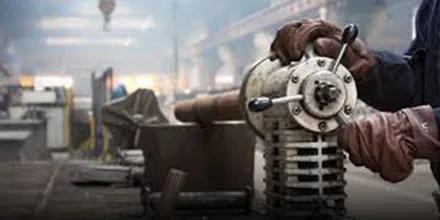
Manufacturing has undergone a dramatic transformation across four industrial revolutions — from water- and steam-powered machines and the first factory systems, through assembly lines and electricity, to computer-aided design and manufacturing, and now Industry 4.0: the integration of cyber-physical systems, IoT, AI, and big data into smart, interconnected factories focused on customization and flexibility.
These advancements bring increased efficiency through automation and robotics, enhanced quality through precision and consistency, improved flexibility for rapid production changes, and data-driven decision making through real-time insights into production planning and preventive maintenance.
Global Trends Shaping the Manufacturing Landscape
- Globalization: Companies seek lower production costs and new markets, requiring robust supply chain integration.
- Automation: Robotics is shifting the workforce toward higher-skilled roles in innovation, design, and maintenance.
- Sustainability: Environmental concerns are driving energy efficiency, waste reduction, and recyclable materials.
- E-commerce and On-Demand Manufacturing: Requires a more agile, responsive production approach.
- Geopolitical Tensions: Trade wars and instability push companies to diversify sourcing and production.
Types of Manufacturing Processes
Traditional Manufacturing Methods
Mass production, casting, forging, and machining laid the groundwork for the industrial landscape. These methods remain relevant for high-volume production of standardized parts thanks to their cost-effectiveness, reliability, and versatility across materials.
Advanced Manufacturing Techniques
Additive manufacturing (3D printing), CNC machining, robotics, and CAD/CAM integration deliver greater precision, flexibility, and customization — increasing efficiency, reducing waste, and enabling more intricate, personalized designs than traditional subtractive methods.
Customization and Flexible Manufacturing
Manufacturers are shifting toward customization, flexible production, and agile manufacturing to meet growing demand for personalized products, reduce inventory costs through on-demand production, and respond quickly to changing market trends.
Key Components of a Manufacturing System
Machinery and Equipment
Production machinery, automation systems, industrial robots, and CAD/CAM technologies form the workhorses of the manufacturing floor — enhancing efficiency, improving quality, reducing labor costs, and improving safety by handling hazardous tasks.
Materials Management and Sourcing
Effective raw materials sourcing, supply chain relationships, and procurement practices reduce costs, prevent production delays from shortages, and improve overall material quality and supply chain visibility.
Quality Control and Assurance
Quality control inspects products at various production stages to catch defects, while quality assurance establishes and maintains standards throughout the process via management systems like ISO and regular audits — building customer trust while reducing rework, scrap, and warranty costs.
Challenges and Solutions in Manufacturing
Supply chain disruptions from global events, trade disputes, and supplier issues call for risk management, diversified sourcing, nearshoring, and real-time visibility tools. A growing skilled-labor shortage is best met with training and apprenticeship programs, attractive compensation, and a positive work culture. And rising environmental concerns push manufacturers toward energy efficiency, waste reduction, sustainable materials, and circular-economy design — all of which pay off in cost savings, brand reputation, and regulatory compliance.
Future Trends in Manufacturing
Industry 4.0 and Smart Manufacturing
Interconnectivity via the Industrial IoT, big data analytics, AI and machine learning, and cyber-physical systems are creating smart factories with increased efficiency, enhanced quality control, improved flexibility, and predictive maintenance that minimizes downtime.
Innovations in Materials and Nanotechnology
Advanced lightweight, high-strength materials, ongoing advances in 3D printing, and nanotechnology are expanding what products can achieve — enabling lighter, more durable products, entirely new designs, and improved sustainability through recyclable materials.
Collaborative Robotics and Human-Machine Interaction
Collaborative robots (cobots) work safely alongside humans on repetitive or hazardous tasks, freeing people to focus on decision making, problem solving, and quality control — enhancing productivity, safety, and worker satisfaction.
Manufacturing is not just about producing goods; it’s about shaping the world we live in. By embracing technological advancements, prioritizing sustainability, and fostering a skilled and collaborative workforce, the manufacturing sector can ensure enhanced living standards, environmental responsibility, and a skilled, engaged workforce for the future.