


Charity websites serve as vital platforms for organizations to connect with donors, volunteers, and beneficiaries — digital hubs where a charity’s mission, projects, and impact are shared with the world, promoting transparency, fostering trust, and facilitating engagement within the philanthropic ecosystem.
Defining Charity Websites
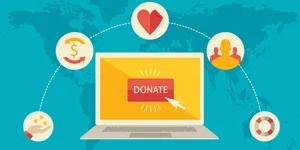
Charity websites convey the organization’s purpose and activities to a global audience — sharing history, team members, financial reports, and beneficiary testimonials, while providing avenues to donate, volunteer, or get involved. Clear calls-to-action, intuitive interfaces, and responsive design are paramount, and given the sensitive nature of donations, encryption, secure payment gateways, and regular security audits protect both donors and the organization.
Exploring Web Applications in Charitable Endeavors
Web applications streamline fundraising management with online donation platforms, recurring donations, peer-to-peer fundraising, and donor management systems. Volunteer coordination platforms handle registration, scheduling, and communication, while project management and data analytics dashboards help charities plan, implement, and evaluate initiatives more efficiently — with mobile-responsive design and dedicated apps extending reach and accessibility.
The Evolution of Technology in Philanthropy
The internet democratized access to giving on a global scale, and social media platforms became powerful tools for fundraising and storytelling. Mobile apps and digital wallets made donating as easy as a few taps, while AI and machine learning now help identify donors, personalize communication, and forecast trends. Blockchain holds promise for transparency and trust, letting donors track contributions in real time — though the pace of change also raises challenges around digital inequality, data privacy, and cybersecurity.
The Impact of Charity Websites & Web Applications
Enhancing Accessibility to Charitable Causes
By breaking down geographical barriers with easily navigable interfaces, charity platforms let potential donors and volunteers quickly find and engage with causes that resonate with their values.
Facilitating Global Collaboration and Partnerships
Online forums, collaboration portals, and project management tools foster synergy among diverse stakeholders, while web-based fundraising campaigns mobilize support from a global audience.
Transparency and Accountability in Donation Processes
Interactive dashboards let donors track contributions, while secure payment gateways and audit trails ensure donations are processed and allocated according to established protocols.
Leveraging Data Analytics for Informed Decision-Making
Analyzing user behavior, demographics, and donation patterns lets organizations tailor outreach, forecast future demand, and adapt proactively to evolving needs.
Key Features and Functionalities
- User-Friendly Interface: Intuitive navigation and customizable dashboards tailored to different user roles.
- Donation Management Systems: Online portals, recurring donations, and payment gateway integrations, plus donor analytics.
- Volunteer Recruitment and Management: Portals, event tools, and communication channels for seamless coordination.
- Impact Tracking and Reporting: Customizable templates and real-time visualization to demonstrate accountability.
- Social Media Integration: Seamless sharing, monitoring, and scheduling to expand reach.
- Security and Privacy Measures: Encryption, access controls, and compliance with GDPR and similar standards.
Challenges and Limitations
The digital divide still limits access for rural and low-income communities, while misinformation and data commodification raise trust and credibility concerns that require verification measures and media literacy. Data security demands encryption and regulatory compliance such as GDPR, sustainability concerns call for eco-friendly, energy-efficient design, and cultural sensitivity requires linguistic diversity and local collaboration to ensure digital platforms are genuinely inclusive.
Charity websites and web applications serve as beacons of hope, bridging the gap between compassion and action — empowering individuals and organizations to make a tangible difference in the lives of others, regardless of geographical boundaries or socioeconomic status.