


Understanding Odoo
Overview of Odoo
Originally known as OpenERP, Odoo has evolved into a fully integrated business management software suite encompassing a wide range of applications. From CRM (Customer Relationship Management) and inventory management to accounting, human resources, and e-commerce, Odoo offers a comprehensive set of modules that can be tailored to meet the specific needs of different businesses.
At its core, Odoo is built on a modular framework, allowing users to choose and deploy only the modules they require. This modular approach not only enhances flexibility but also enables businesses to scale their operations seamlessly as they grow. Moreover, Odoo’s open-source nature fosters collaboration and innovation, with a vibrant community of developers constantly contributing to its development and expanding its functionality.
Key Features of Odoo
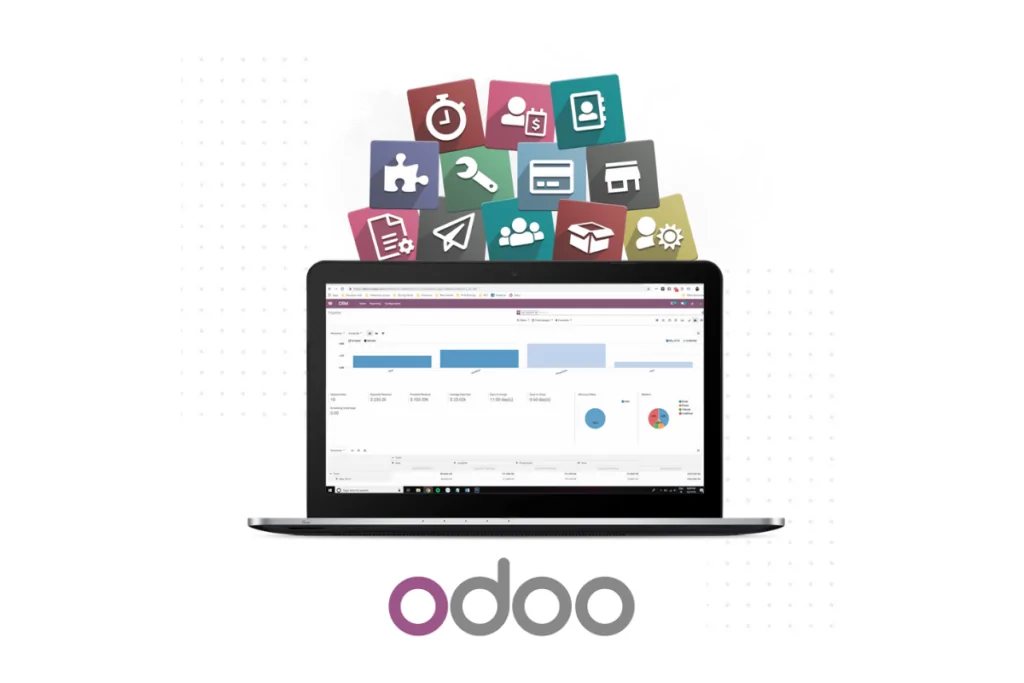
- Modular Structure: One of the defining features of Odoo is its modular structure, which allows businesses to select and integrate only the modules they need. Whether it’s CRM, accounting, inventory management, or any other business function, Odoo offers a diverse range of modules that can be customized and combined to create a tailored solution.
- Customizable Interface: Odoo’s user-friendly interface can be easily customized to align with the specific workflows and preferences of individual users or organizations. From adjusting layouts and fields to creating custom reports and dashboards, Odoo provides extensive flexibility for tailoring the user experience to meet unique requirements.
- Scalability: As businesses expand and evolve, their software requirements often change. Odoo’s scalable architecture enables organizations to adapt and grow without being constrained by their software. Whether it’s adding new users, incorporating additional modules, or expanding into new markets, Odoo can accommodate the changing needs of businesses of all sizes.
- Integration Capabilities: One of the key strengths of Odoo is its seamless integration with other business systems and applications. Whether it’s integrating with third-party accounting software, payment gateways, or e-commerce platforms, Odoo ensures smooth data flow and synchronization across different systems, eliminating the need for manual data entry and reducing errors.
Why Choose Odoo for Accounting
- Integration with Other Business Modules: Unlike standalone accounting software, Odoo offers integrated accounting functionality that seamlessly connects with other business modules such as CRM, sales, inventory, and purchasing. This integration ensures real-time visibility into financial transactions and provides a holistic view of business operations.
- User-Friendly Interface: Odoo’s intuitive accounting interface makes it easy for users to perform day-to-day accounting tasks such as invoicing, expense tracking, and financial reporting. With features like automated reconciliation and customizable chart of accounts, Odoo simplifies complex accounting processes and reduces the learning curve for users.
- Cost-Effectiveness: Traditional accounting software often comes with hefty licensing fees and additional costs for upgrades and support. In contrast, Odoo’s subscription-based pricing model offers a cost-effective alternative, with transparent pricing and no hidden fees. Moreover, Odoo’s open-source nature allows businesses to leverage a vast ecosystem of free and community-contributed modules, further reducing the total cost of ownership.
Odoo stands out as a versatile and powerful business management software solution with its modular structure, customizable interface, scalability, and integration capabilities. Whether it’s accounting or any other aspect of business operations, Odoo offers a comprehensive suite of tools that can be tailored to meet the unique needs of different organizations. With its user-friendly interface and cost-effective pricing model, Odoo continues to empower businesses worldwide to streamline their operations, drive growth, and stay competitive in today’s dynamic market landscape.
Setting Up Accounting in Odoo: A Comprehensive Guide
-
Installation and Configuration:
The first step in setting up accounting in Odoo is to install the software and configure it to suit your business needs. Odoo offers both on-premise and cloud-based solutions, providing flexibility for businesses of all sizes. Once installed, you’ll need to configure basic settings such as company information, currency preferences, and fiscal years.
-
Chart of Accounts:
A customized chart of accounts is essential for accurately tracking your company’s financial transactions. Odoo allows you to create a tailored chart of accounts that reflects the specific needs of your business. This includes defining account types, setting up hierarchical structures, and assigning appropriate codes to each account for easy categorization and reporting.
-
Taxes and Fiscal Positions:
Compliance with local tax regulations is crucial for any business. With Odoo, you can configure tax rules and fiscal positions to ensure accurate calculation and reporting of taxes. Whether dealing with sales tax, VAT, or other taxes, Odoo provides the flexibility to configure tax rates, exemptions, and thresholds according to your jurisdiction’s requirements.
-
Bank and Cash Management:
Efficient bank and cash management are vital for maintaining liquidity and financial stability. Odoo simplifies this process by allowing you to set up bank accounts, cash journals, and manage cash flows seamlessly. You can reconcile bank statements directly within Odoo, ensuring that your financial records are always up-to-date and accurate.
Setting up accounting in Odoo is a straightforward process that empowers businesses to efficiently manage their finances. By following this guide, you’ll be able to install and configure Odoo, customize your chart of accounts, manage taxes and fiscal positions, and streamline bank and cash management operations. With Odoo’s powerful accounting features, you can focus on growing your business while ensuring financial transparency and compliance.
Managing Financial Transactions
Recording Transactions:
One of the fundamental aspects of managing financial transactions is accurately recording them. Odoo offers a user-friendly interface for recording various transactions such as sales, purchases, expenses, and payments. With Odoo’s intuitive accounting module, users can easily input transaction details, including dates, amounts, accounts, and relevant descriptions. This ensures that all financial activities are properly documented, providing a clear audit trail for future reference.
Invoicing:
Generating and sending professional invoices to clients is a critical part of maintaining cash flow and establishing credibility. Odoo simplifies this process by allowing users to create customized invoices directly within the platform. Users can easily add line items, apply discounts or taxes, and personalize invoices with company logos and branding. Additionally, Odoo enables seamless communication with clients by allowing invoices to be sent directly via email, reducing administrative overhead and improving efficiency.
Expense Management:
Tracking and managing business expenses is essential for controlling costs and optimizing financial performance. Odoo’s expense management module provides a centralized platform for recording and categorizing expenses incurred by employees. Users can easily capture expense details, such as receipts and expense categories, and submit them for approval. Managers can then review and approve expenses, ensuring compliance with company policies and budgets. Odoo’s expense management module also offers robust reporting capabilities, allowing businesses to gain insights into spending patterns and identify areas for cost savings.
Bank Reconciliation:
Bank reconciliation is a critical process for ensuring the accuracy and transparency of financial reporting. Odoo streamlines this process by automatically matching transactions recorded in the system with bank statements. Users can easily reconcile transactions, identify discrepancies, and resolve outstanding items directly within the platform. By automating bank reconciliation, Odoo helps businesses save time and reduce the risk of errors, enabling them to make informed financial decisions with confidence.
Odoo offers comprehensive solutions for managing financial transactions, from recording transactions to bank reconciliation. By leveraging Odoo’s integrated suite of applications, businesses can streamline their financial operations, improve efficiency, and gain greater control over their finances.
Financial Reporting and Analysis
Overview of Odoo’s Reporting Capabilities
Odoo provides a comprehensive suite of reporting tools that enable organizations to generate customizable financial reports, insightful dashboards, and key performance indicators (KPIs). These reporting capabilities are essential for stakeholders to assess the financial health of the organization, identify areas for improvement, and track progress towards strategic objectives. With Odoo, users can easily generate financial statements such as balance sheets, income statements, and cash flow statements, tailored to their specific requirements.
One of the key advantages of Odoo’s reporting tools is their flexibility and customization options. Users can personalize reports by selecting relevant metrics, adjusting layouts, and applying filters to focus on specific aspects of financial performance. Additionally, Odoo’s intuitive interface makes it easy for users to access and analyze financial data, enabling timely decision-making and proactive management.
Budgeting and Forecasting with Odoo
Effective budgeting and forecasting are essential components of financial planning and control. Odoo offers powerful features for budgeting and forecasting, allowing organizations to create detailed budgets, allocate resources efficiently, and monitor performance against targets. By leveraging Odoo’s budgeting module, businesses can establish realistic financial goals, track expenditure, and adjust plans in response to changing market conditions.
The forecasting capabilities in Odoo enable organizations to anticipate future financial trends and make informed projections based on historical data and market insights. Whether it’s forecasting sales revenue, predicting cash flow, or estimating expenses, Odoo provides the tools needed to develop accurate forecasts and align financial strategies with business objectives. Moreover, Odoo’s integration with other modules such as sales, inventory, and procurement ensures that forecasts are aligned with operational activities, enabling seamless execution and optimization of resources.
Analyzing Financial Data with Odoo
In addition to reporting and forecasting, Odoo offers powerful analytical tools that enable organizations to gain deeper insights into key financial metrics and trends. By leveraging data visualization techniques such as charts, graphs, and pivot tables, users can identify patterns, anomalies, and correlations within their financial data, facilitating informed decision-making and strategic planning.
Odoo’s analytical capabilities extend beyond traditional financial analysis to encompass a wide range of performance indicators, including profitability analysis, cost variance analysis, and trend analysis. With Odoo, users can drill down into granular levels of detail, conduct comparative analysis across different periods or business units, and generate actionable insights to optimize financial performance.
Integration with External Tools for Advanced Analysis
While Odoo offers robust reporting and analytical capabilities, organizations may require additional tools for advanced analysis or specialized reporting requirements. Fortunately, Odoo supports seamless integration with external reporting and analytics tools, enabling users to leverage best-of-breed solutions to complement their existing capabilities.
Whether it’s integrating with business intelligence platforms, data visualization tools, or advanced analytics software, Odoo provides flexible integration options that allow organizations to harness the full potential of their financial data. By integrating Odoo with external tools, businesses can unlock new insights, improve decision-making processes, and drive continuous improvement in financial performance.
Advanced Accounting Features
-
Multi-Company Accounting
With Odoo’s multi-company accounting functionality, businesses can effortlessly manage financial data for multiple entities within a unified platform. Whether operating subsidiaries, divisions, or branches, users can easily switch between different company profiles while maintaining accurate and segregated accounting records. This consolidation simplifies financial reporting and provides a comprehensive view of the entire business ecosystem.
-
Inter-Company Transactions
Handling transactions between related entities can be challenging, but Odoo simplifies this process with its inter-company transaction capabilities. Users can seamlessly record and reconcile transactions between different companies, ensuring accurate accounting treatment across the board. Furthermore, Odoo facilitates the consolidation of financial data, enabling businesses to generate consolidated financial statements effortlessly.
-
Asset Management
Efficient asset management is essential for optimizing resource utilization and maintaining compliance with accounting standards. Odoo’s asset management module enables businesses to track, depreciate, and manage fixed assets effectively. From acquisition to disposal, users can effortlessly record asset details, calculate depreciation expenses, and generate comprehensive asset reports. This ensures accurate financial reporting and compliance with regulatory requirements.
-
Automation and Workflows
Manual accounting tasks can be time-consuming and prone to errors. Odoo empowers businesses to automate repetitive accounting processes and create customized workflows to streamline operations. By defining rules and triggers, users can automate tasks such as invoice generation, payment reminders, and reconciliation processes. This not only improves efficiency but also reduces the risk of errors and enhances overall accuracy in financial data.
Compliance and Security
Compliance with Regulations
One of the fundamental aspects of financial management is ensuring compliance with various regulations such as Generally Accepted Accounting Principles (GAAP), International Financial Reporting Standards (IFRS), and local tax laws. Odoo, as a comprehensive ERP solution, offers functionalities that facilitate adherence to these standards. By configuring Odoo’s accounting modules according to the relevant regulations, organizations can accurately record financial transactions and generate compliant financial statements.
GAAP and IFRS provide guidelines for accounting principles and reporting standards, ensuring consistency and transparency in financial reporting. Odoo’s flexibility allows users to customize chart of accounts, financial reports, and tax configurations to align with these standards. Moreover, regular updates and compliance checks within Odoo ensure that the system remains up-to-date with regulatory changes, minimizing the risk of non-compliance.
Local tax laws vary across jurisdictions, posing challenges for multinational companies. Odoo’s localization features enable organizations to configure tax rules, rates, and reporting requirements specific to their operating regions. This ensures accurate calculation and reporting of taxes, reducing the risk of penalties and fines associated with non-compliance.
Data Security Measures
Protecting sensitive financial data is crucial to safeguarding the interests of the organization and its stakeholders. Odoo offers robust security measures to mitigate the risks associated with unauthorized access, data breaches, and cyber threats.
- User Access Controls: Odoo provides granular access controls, allowing administrators to define roles and permissions for each user based on their responsibilities. By implementing role-based access control (RBAC), organizations can restrict access to sensitive financial data to authorized personnel only, minimizing the risk of internal data breaches.
- Data Encryption: Odoo employs encryption techniques to secure data both in transit and at rest. Through encryption algorithms such as Advanced Encryption Standard (AES), sensitive information stored in Odoo’s databases remains encrypted, making it unreadable to unauthorized users even if the data is compromised.
- Two-Factor Authentication (2FA): Odoo supports 2FA, adding an extra layer of security to user accounts. By requiring users to provide a second form of verification, such as a one-time passcode sent to their mobile device, Odoo enhances authentication security and reduces the likelihood of unauthorized access.
Auditing and Traceability
Maintaining audit trails and ensuring traceability of financial transactions are essential for accountability, transparency, and regulatory compliance. Odoo offers robust auditing features that enable organizations to track changes to financial data and monitor user activities effectively.
- Audit Trails: Odoo maintains detailed audit trails, recording every modification made to financial records, including transactions, journal entries, and account balances. This audit trail provides a chronological history of changes, allowing administrators to trace back and identify the individuals responsible for specific alterations.
- Transaction Traceability: With Odoo, organizations can establish traceability across the entire financial workflow, from the initiation of transactions to their finalization. Each transaction within Odoo’s accounting modules is assigned a unique identifier, enabling users to track its progress and monitor any associated actions or approvals.
- Compliance Reporting: Odoo facilitates compliance reporting by enabling organizations to generate comprehensive audit reports and financial statements. These reports provide stakeholders with transparent insights into the organization’s financial activities and compliance status, fostering trust and confidence in the integrity of financial management processes.
Best Practices and Tips
Planning for Implementation
Implementing Odoo accounting requires meticulous planning to ensure a smooth transition and optimal utilization of its features. Here are key considerations and best practices for planning and executing the implementation project:
- Assessment of Requirements: Begin by thoroughly assessing your organization’s accounting requirements and processes. Identify pain points, areas for improvement, and specific features needed from Odoo accounting.
- Setting Clear Objectives: Define clear objectives and goals for the implementation project. Establish measurable targets such as improved efficiency, accuracy, or reporting capabilities.
- Resource Allocation: Allocate adequate resources including budget, time, and personnel for the implementation. Consider the expertise required for configuration, data migration, and training.
- Engage Stakeholders: Involve key stakeholders from various departments early in the planning phase. Gather input, address concerns, and ensure alignment with organizational goals.
- Phased Approach: Break down the implementation into manageable phases to minimize disruptions and facilitate gradual adoption. Prioritize critical modules or functionalities for initial deployment.
Training and Support
Effective training and ongoing support are essential for maximizing user adoption and realizing the full potential of Odoo accounting. Consider the following strategies:
- Comprehensive Training: Provide comprehensive training sessions tailored to different user roles and proficiency levels. Offer hands-on exercises, tutorials, and documentation to familiarize users with Odoo’s interface and features.
- User Support Resources: Establish a dedicated support system to address user queries, issues, and troubleshooting needs. Offer online resources, forums, and helpdesk services for timely assistance.
- Feedback Mechanism: Encourage users to provide feedback on their experience with Odoo accounting. Use feedback to identify areas for improvement and refine training materials or support processes accordingly.
- Continuous Learning: Foster a culture of continuous learning by offering advanced training sessions, webinars, or workshops to users interested in further enhancing their skills.
Customization and Scalability
Odoo’s flexibility allows customization of accounting workflows to align with specific business requirements. Ensure scalability and adaptability by following these practices:
- Tailored Configuration: Customize Odoo accounting modules to match your organization’s unique processes, terminology, and reporting requirements. Utilize Odoo’s modular architecture to add or modify features as needed.
- Integration with Third-Party Systems: Integrate Odoo accounting with other business-critical systems such as CRM, inventory management, or e-commerce platforms for seamless data exchange and workflow automation.
- Future-Proofing: Anticipate future business needs and scalability requirements when designing accounting workflows and configurations. Build flexibility into the system to accommodate growth and changes in business operations.
- Regular Reviews: Periodically review and optimize accounting workflows based on evolving business needs, regulatory changes, or feedback from users. Leverage Odoo’s update mechanisms to incorporate new features or enhancements.
Continuous Improvement
- Performance Monitoring: Regularly monitor key performance indicators (KPIs) related to accounting processes such as transaction processing time, accuracy of financial reports, or reconciliation efficiency.
- Analytical Insights: Utilize Odoo’s reporting and analytical tools to gain insights into financial performance, trends, and anomalies. Use these insights to identify areas for improvement and inform decision-making.
- Process Automation: Identify repetitive or manual tasks within accounting workflows and automate them using Odoo’s automation features. Streamline processes to reduce errors, save time, and improve efficiency.
- User Feedback Loop: Solicit feedback from accounting staff on a regular basis to gather insights into pain points, usability issues, or suggestions for enhancements. Use this feedback to prioritize improvement initiatives.
Conclusion
In conclusion, accounting in Odoo offers businesses a powerful and flexible solution for managing their financial operations. From setting up accounting configurations to generating insightful financial reports, Odoo provides all the tools necessary for efficient and effective accounting management.